

ESG has become one of the most recognized terms in business and social responsibility.
Companies report on it. Investors evaluate it. Boards discuss it. Consultants build entire frameworks around it.
Yet despite its widespread use, ideas around ESG are becoming even more complicated and they face a growing challenge too.
Somewhere along the journey, ESG has become associated with reporting, compliance and measurement for larger organizations. And much of that is not so relevant for most people.
But last week, my perspective shifted during a very interesting conversation with Michael Baxter on his ‘Sustainably Talking’ ESG Show.
We were joined by Paul Clements-Hunt of Blended Capital. Interestingly, Paul is the one who is known to have coined the term "ESG".
Ahead of our 50-minute conversation, we planned to explore the tension between ‘Extractive Capitalism’ and ‘Regenerative Capitalism’.
Initially, I worried the discussion might become a little too academic or ‘dry’.Instead, it became something deeply personal, eventually leading to two words that are probably rarely heard in ESG and sustainability conversations:
Kindness and love.
This conversation helped me discover the origin story of ESG and the potential of what we can achieve together.
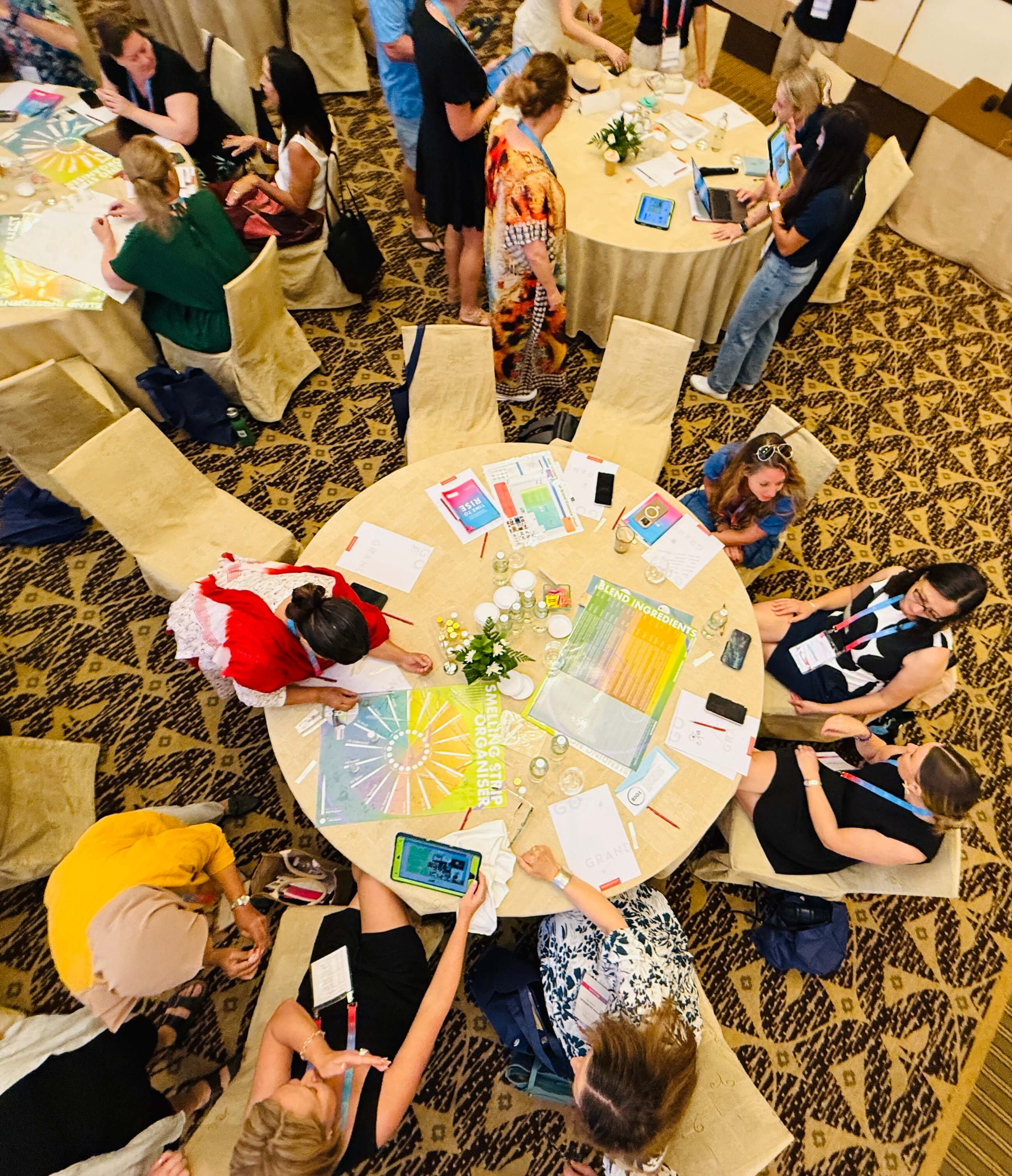
Beyond the Framework
ESG is an acronym for Environmental, Social and Governance. It’s a framework used to evaluate how an organisation manages its impact on the environment, people and its own leadership practices.
The term ESG first emerged through the landmark 2004 Who Cares Wins initiative, a process led by Paul Clements-Hunt and then UN Secretary General Kofi Annan at the United Nations Global Compact.
The initiative brought together leading financial institutions to explore how environmental, social and governance factors could be integrated into investment decisions and long-term value creation.
Paul told me that when the term ESG was first introduced, the intention was not to create another reporting exercise for corporations. The idea actually was to encourage investors to recognise that environmental, social and governance factors influence long-term value creation and long-term wellbeing.
At its heart was a simple belief: Business and investment decisions affect people, communities and our future.
The framework gave people with resources a way to consider those impacts and invest in more sustainable business solutions and practices for longer-term gains.
Measurement and box-ticking practices were not the purpose of ESG.
The Human Foundation Beneath ESG
As our conversation continued, we found ourselves reflecting more on our personal journeys into the space of impactful business practices.
We know that lasting change for the world requires change in perceptions among a larger population. If how we live and how we make decisions change. The world will change naturally.
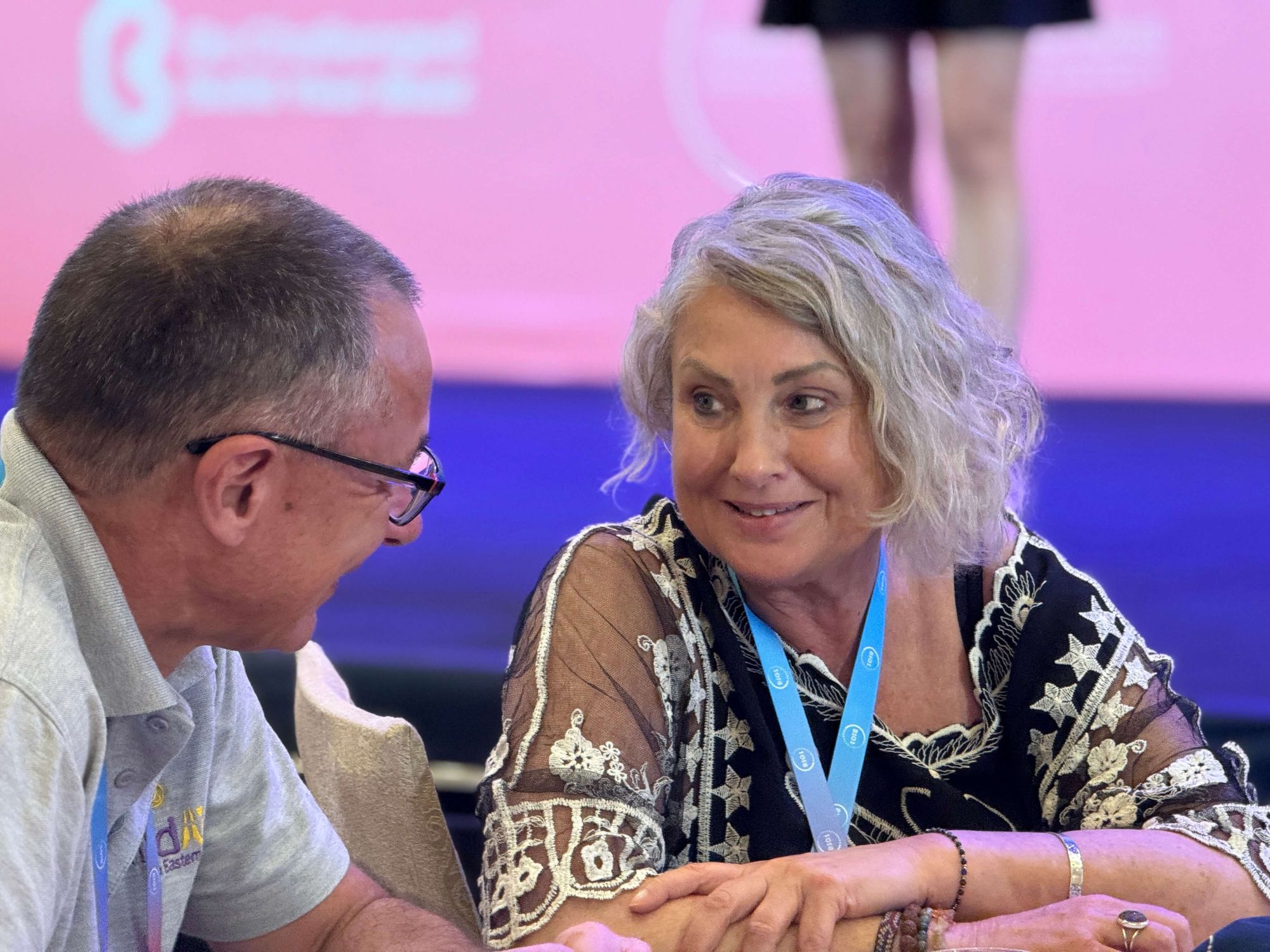
Paul shared stories about his experience in countries like Kenya, Thailand and Japan too. Three of us connected through some humor, some common connections and ideas we agreed on and different perspectives and experiences we possessed.
I really enjoyed understanding the intention behind ESG. It made the idea so much connecting.
It made me realize that while the traditional ESG framework serves the industry, a human-centric interpretation really can transform the culture.
Consider this shift in the lens—not as a replacement for compliance, but as the heartbeat of impact:
E = Empathy
The willingness to understand and care about the experiences of others.
S = Service
The commitment to create genuine value beyond ourselves.
G = Generosity
The desire to contribute positively to the people, communities and environments we touch.
When ESG is driven by these values, it ceases to be a checklist and becomes a character.
When these qualities are present, not only does a company thrives but environmental stewardship becomes natural. Social responsibility also becomes integral. Good governance becomes expected and demonstrated.
The framework naturally follows the values behind the idea. Not the other way around.
From Reporting Good to Doing Good
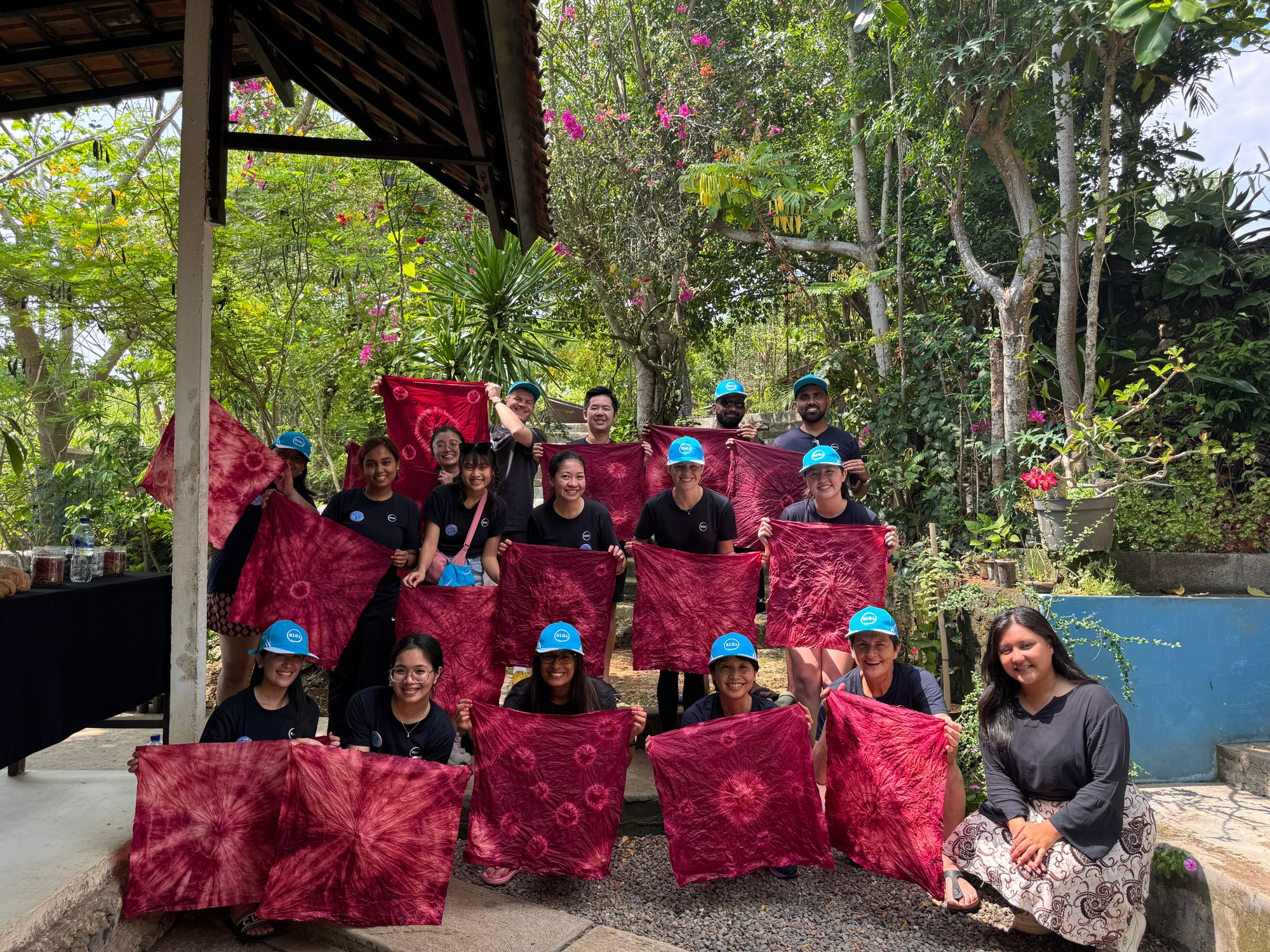
This idea also connects deeply with something we have explored through B1G1 for nearly two decades.
Embedded Social Good.
Many businesses care deeply about making a difference. But impact is often treated as something separate from the business itself:an ad-hoc campaign or end of the year donation. Something added on as a promotion or after success has been achieved.
But what happens when doing good becomes part of everyday business activity? For example, through every sale, meeting, celebration and connection.
When that happens, Impact moves from being an event to becoming a habit. And habits change cultures and identities.
And when culture is driven by the desire to add greater value, help each other and make a difference, the organisation attracts, retains and grows a great workforce. It creates resilience and innovation.

The Next Chapter of ESG
The future of business may not depend on creating increasingly complex frameworks.
It may depend on helping people reconnect with the values that inspired those frameworks in the first place.
Empathy
Service
Generosity
When these values are embedded into everyday actions, sustainability becomes more than a strategy. It becomes part of who we are.
And perhaps that is where the greatest opportunity lies: creating businesses where what matters naturally happens every day.
Listen to the Full Conversation
This article was inspired by a recent conversation with Michael and Paul on the Sustainably Talking podcast, where we explored sustainability, business, giving and the role kindness can play in creating meaningful change.